
Key Takeaways
- A crown is usually the better choice for a severe crack, a tooth with a large filling, or a tooth that needs a root canal.
- A veneer can work for a crack on a front tooth when the damage is superficial and the inside of the tooth is healthy.
- A crown covers the entire tooth and is about 2 mm thick. A veneer covers only the front surface and is generally no more than 1 mm thick.
- Do not wait. An untreated crack lets bacteria in and can lead to infection, a root canal or loss of the tooth.
- Only an exam can tell you which option fits, because it depends on how deep the crack goes and which tooth is damaged.
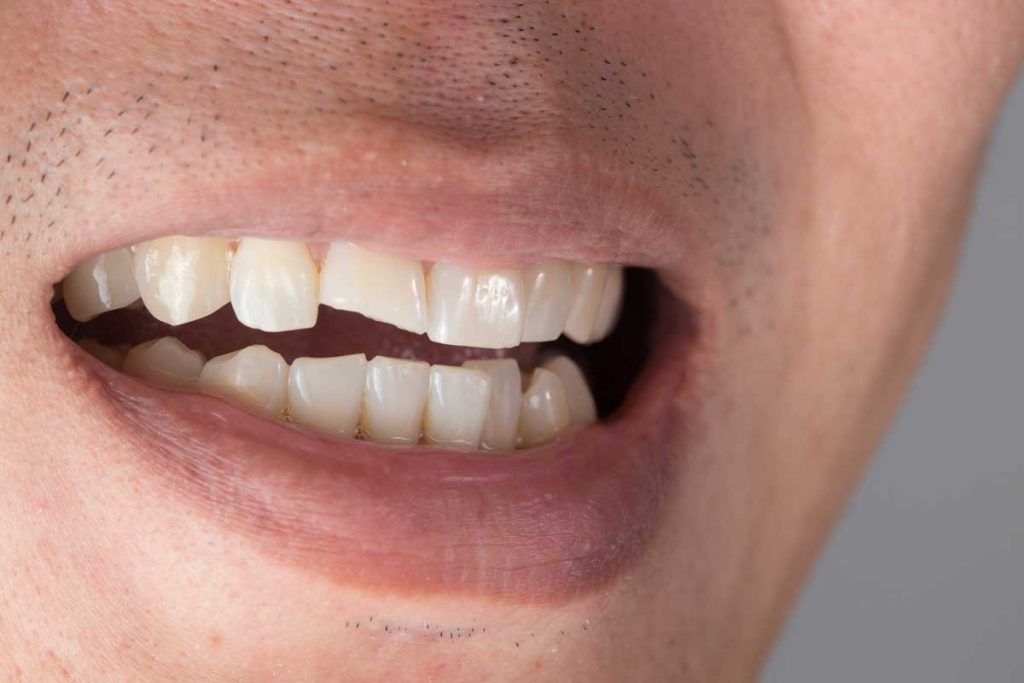
For a cracked tooth, a crown is usually better when the crack is severe, and a veneer can work when a front tooth has a superficial crack. The right choice depends on how far the crack goes and which tooth is damaged.
Cracks are not only a sports injury. Crunching ice or hard candy, using your teeth as tools, and grinding your teeth can all lead to cracks, chips and fractures. Whatever the cause, do not ignore it. Untreated damage tends to get worse as bacteria enter the crack.
At Heritage Dental in Tomball, Texas, Dr. Thomas Hernandez and our team offer both veneers and crowns. Here is how they compare, so you know what to ask at your visit.
How do crowns and veneers compare?
| Feature | Dental crown | Dental veneer |
|---|---|---|
| Coverage | The entire tooth, 360 degrees | Only the visible front surface |
| Typical thickness | About 2 mm | Generally no more than 1 mm |
| Enamel removal | More, depending on the extent of the damage | Minimal, about 0.5 mm |
| Best for | Severe cracks, large fillings, teeth that need a root canal | Superficial cracks on front teeth and cosmetic concerns |
| Materials | Porcelain, metal, composite resin or zirconia | Porcelain, zirconia or lithium disilicate (e-max) |
| Typical lifespan | 5 to 15 years on average, longer with good care | 10 to 15 years with proper care |
When is a crown better for a cracked tooth?
Choose a crown when:
- The crack is severe, especially if decay has already started.
- The tooth has a large filling. A crown covers and strengthens the whole tooth and helps keep it from cracking further.
- The crack reaches the pulp or decay is extensive. You may need a root canal, and the tooth then needs a crown. The American Association of Endodontists explains this in its guide to cracked teeth.
A crown gives a cracked tooth the most protection, although the AAE notes it does not guarantee success.
When is a veneer better for a cracked tooth?
Choose a veneer when:
- A front tooth has a superficial crack and the inside of the tooth is healthy. A veneer covers the damage, protects the tooth from decay and lets us keep more of your natural tooth.
- You also have cosmetic concerns, such as discoloration that does not respond to professional teeth whitening, slightly misshapen teeth or gaps.
A veneer is mainly cosmetic. It can cover a crack, but it does not strengthen the tooth the way a crown does.
Frequently asked questions
Is a crown or a veneer better for a cracked tooth?
A crown is usually better for severe cracks, a tooth with a large filling or a tooth that needs a root canal. A veneer is better when the damage is superficial and on a front tooth. A dentist needs to examine the tooth to be sure.
Can you put a veneer on a cracked front tooth?
Yes, as long as the inside of the tooth is healthy. Veneers can cover minor cracks and also fix discoloration that does not respond to whitening, and close gaps, while preserving most of your natural enamel.
What happens if you leave a cracked tooth untreated?
Food and bacteria can enter the crack and reach the pulp. This can cause intense pain and a deep infection, and it may lead to a root canal or the loss of the tooth. The AAE also warns that an untreated cracked tooth gets progressively worse.
How long do crowns and veneers last, and what do they cost?
Veneers typically last 10 to 15 years with proper care. Crowns last 5 to 15 years on average and can last longer with good care. Cost depends on the complexity of your case, and we can give you an estimate after an exam.
The best way to know which one you need is to see Dr. Hernandez. He will examine your tooth and recommend the right restoration. Request an appointment or call our Tomball office.