
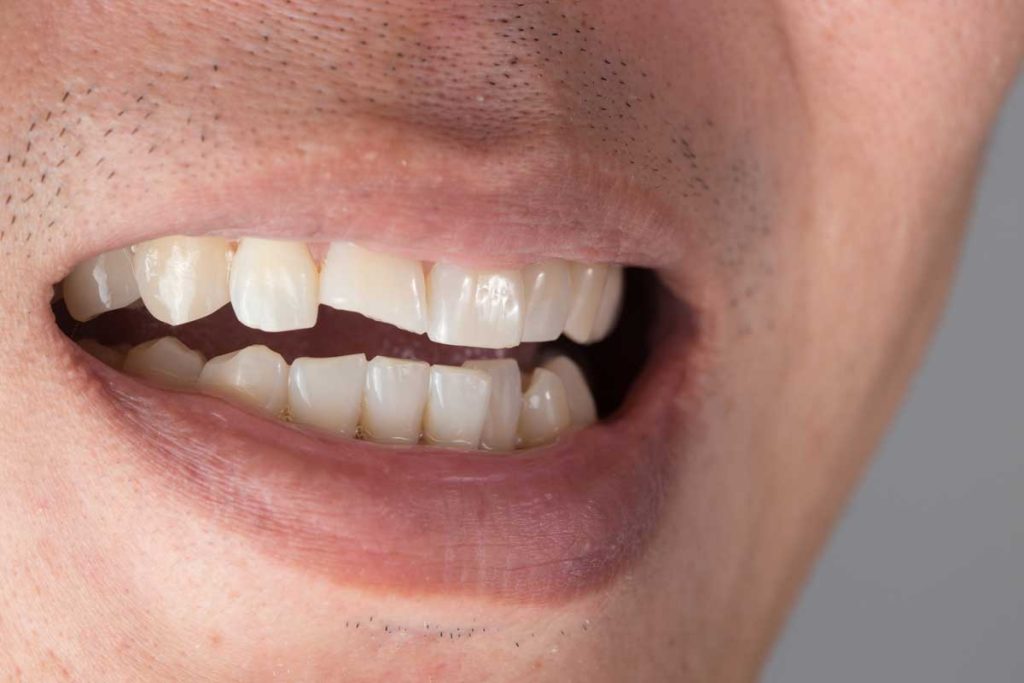
An errant hockey puck or a flung baseball bat can easily crack a tooth, but you don’t have to be an athlete to suffer traumatic tooth damage. Crunching ice or hard candy, using your teeth as a tool, or even grinding your teeth can lead to cracks, chips, and fractures.
If this happens to you, don’t ignore it. Untreated tooth damage tends to worsen as bacteria enter the crack and set up shop inside your tooth. You can prevent this progression by repairing your cracked tooth with a restorative treatment.
At Heritage Dental in Tomball, Texas, Dr. Thomas Hernandez and our team offer the most advanced tooth restorations available. Here, we take a closer look at two of them — veneers and crowns — to help you decide which is best for your cracked tooth.
Table of Contents
ToggleTreatment Key Takeaways
- When to Choose a Crown: Best for covering and strengthening severely damaged teeth or teeth that have undergone a root canal.
- When to Choose a Veneer: Excellent for protecting and restoring front teeth with minimal alteration.
- Modern Materials: Beyond standard porcelain, advanced options like Lithium Disilicate (E-max) and Zirconia offer maximum durability.
- Same-Day Technology: Advanced CAD/CAM systems like CEREC allow restorations to be manufactured and installed in a single visit.
Direct comparison: Veneers vs. crowns
Veneers and crowns are both excellent dental restoration options. They each improve the function of your teeth and the look of your smile. Here’s how they compare.
| Comparison Criterion | Dental Veneers (Veneers) | Dental Crowns (Crowns) |
| Material Used | Porcelain, Zirconium, or Lithium Disilicate (E-max). | Porcelain, metal, composite resin, or Zirconia. |
| Average Thickness | Ultra-thin, generally not exceeding 1 millimeter. | Around 2 millimeters in thickness. |
| Coverage Area | Covers only the visible front side of the tooth. | Envelops and covers the entire tooth in 360 degrees. |
| Invasiveness Level | Minimal enamel removal (about 0.5 mm). | Greater grinding required, depending on the extent of damage. |
| Strength Boost | Preserves original structure and protects against decay. | Doubles the strength and durability of the affected tooth. |
Which is better for a cracked tooth — veneer or crown?
The answer to this question depends on the extent of the damage and the location of the affected tooth.
When a crown is better
For severe cracks, especially those that have already begun to harbor decay, a crown may be the best choice.
If your cracked tooth contains a larger filling, a crown covers and strengthens the whole tooth and prevents it from cracking further.
If your cracked tooth has led to extensive decay inside, you may need a root canal, and in this case, you’ll need a crown.
When a veneer is better
When you crack a front tooth, veneers are a great way to cover the damage and protect the tooth from decay. Veneers also allow us to preserve more of your natural tooth, which is always our goal.
Veneers are also an excellent way to improve your smile cosmetically. If you have discolored teeth that don’t respond to professional teeth whitening treatments, or you have slightly misshapen or gapped teeth, veneers can give you a uniform smile.
The best way to know whether you need a veneer or a crown is to schedule an appointment with Dr. Hernandez. He thoroughly examines your damaged tooth or teeth and lets you know which restoration treatment will serve you best. Call or book online today.
Frequently Asked Questions
Is a crown or a veneer better for a cracked tooth?
The ideal choice depends entirely on the extent of the fracture. A dental crown is the best option for severe cracks that compromise the tooth’s structural integrity or if the tooth already contains a large filling, as it protects and strengthens the entire element. A veneer is preferred if the damage is purely cosmetic or superficial.
Can you put a veneer on a cracked front tooth?
Yes, you can put a veneer on a cracked front tooth as long as the internal structure is healthy. Veneers are an excellent alternative for covering minor fractures, correcting severely discolored teeth that do not respond to whitening, and closing gaps (diastemas) while preserving most of the natural enamel.
What happens if you leave a cracked tooth untreated?
Leaving a cracked tooth untreated allows food particles and bacteria to enter the fracture and reach the dental pulp. This progression typically leads to intense pain, deep infections, and nerve necrosis, eventually requiring a complex root canal treatment or causing the total loss of the tooth.
What about longevity and costs?
In terms of durability, porcelain veneers last between 10 and 15 years with proper care, while high-performance crowns (such as Zirconia and E-max) can easily exceed 15 years of useful life. Although exact costs vary based on the biological complexity of each case, presenting a clear estimate keeps patients engaged on the page, preventing them from bouncing back to the SERP to look up prices elsewhere.